Targeting the ELANE Pathway for Selective Cytotoxicity That Kills Cancer, Not Immunity
The ELANE Pathway in Two Minutes
N17350 (NEU-001) and NEU-002 are investigational and have not been approved by the FDA or any other regulatory authority. Safety and efficacy have not been established.
A New Class of Therapeutics That Eradicate Cancer Cells While Preserving and Activating the Immune System
Today's cancer treatments often force a choice between directly attacking tumor cells or harnessing the body's immune response. Traditional cytotoxic therapies can be powerful tumor killers but can also damage the very immune cells needed for effective, long-term cancer control. Immunotherapies, on the other hand, activate the immune system to fight cancer but sometimes lack the immediate cell-killing power required to overcome resistant tumors.
At Onchilles, we believe there's a better way. We are pioneering next-generation selective cytotoxic agents that offer broad cancer-killing capabilities while preserving, and even activating, immune cells. Our goal is to ensure that potent tumor destruction goes hand in hand with long-lasting anti-tumor immunity. Through innovative science that selectively targets cancer cells, we strive to transform cancer treatment for patients worldwide.
Cancer Treatment Has Always Meant Compromise
Every established modality trades one thing for another. Breadth costs the immune system. Selectivity costs coverage. Immune activation fails the moment the tumor hides.
Toxic to cancer cells, but also to the immune cells the body needs to fight disease.
Tumor heterogeneity means many cells lack the target. Those cells are missed, and they are the cells that grow back.
Checkpoint inhibitors release the brakes on immunity, but they fail when the tumor shields itself from immune recognition.
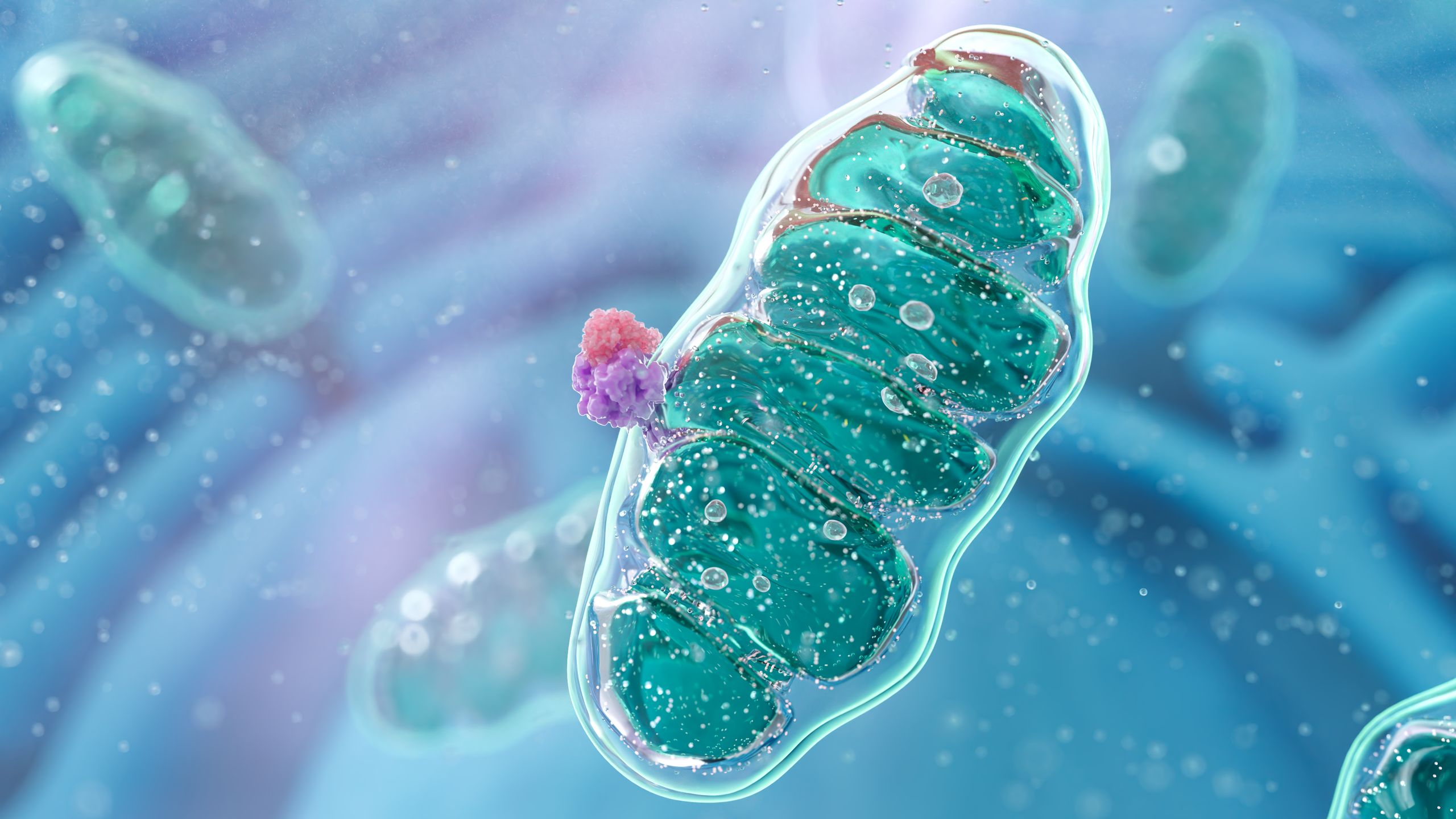
Onchilles is pursuing a new paradigm: broad tumor killing that is selective for cancer over healthy cells, delivered by a single agent that leaves the immune system intact to finish the job.
A Breakthrough in Selective Cancer Cytotoxicity
The ELANE pathway was discovered by our scientific founder, Dr. Lev Becker, and enables the selective eradication of cancer cells regardless of their genetic makeup or anatomical origin while sparing healthy tissue including immune cells (Cell, 2021). By therapeutically targeting the ELANE pathway, Onchilles exploits altered histone H1 biology, a critical vulnerability shared by all cancer cells. This hallmark of cancer drives genomic instability, aberrant gene expression, and unchecked proliferation. Onchilles' research shows that essential components of the ELANE pathway are active in patient samples, indicating broad real-world applicability.
From Cell Entry to Immunogenic Cell Death
The cascade shown in the animation, step by step. Each step depends on the one before it, and the whole sequence depends on histone H1 biology being deregulated.
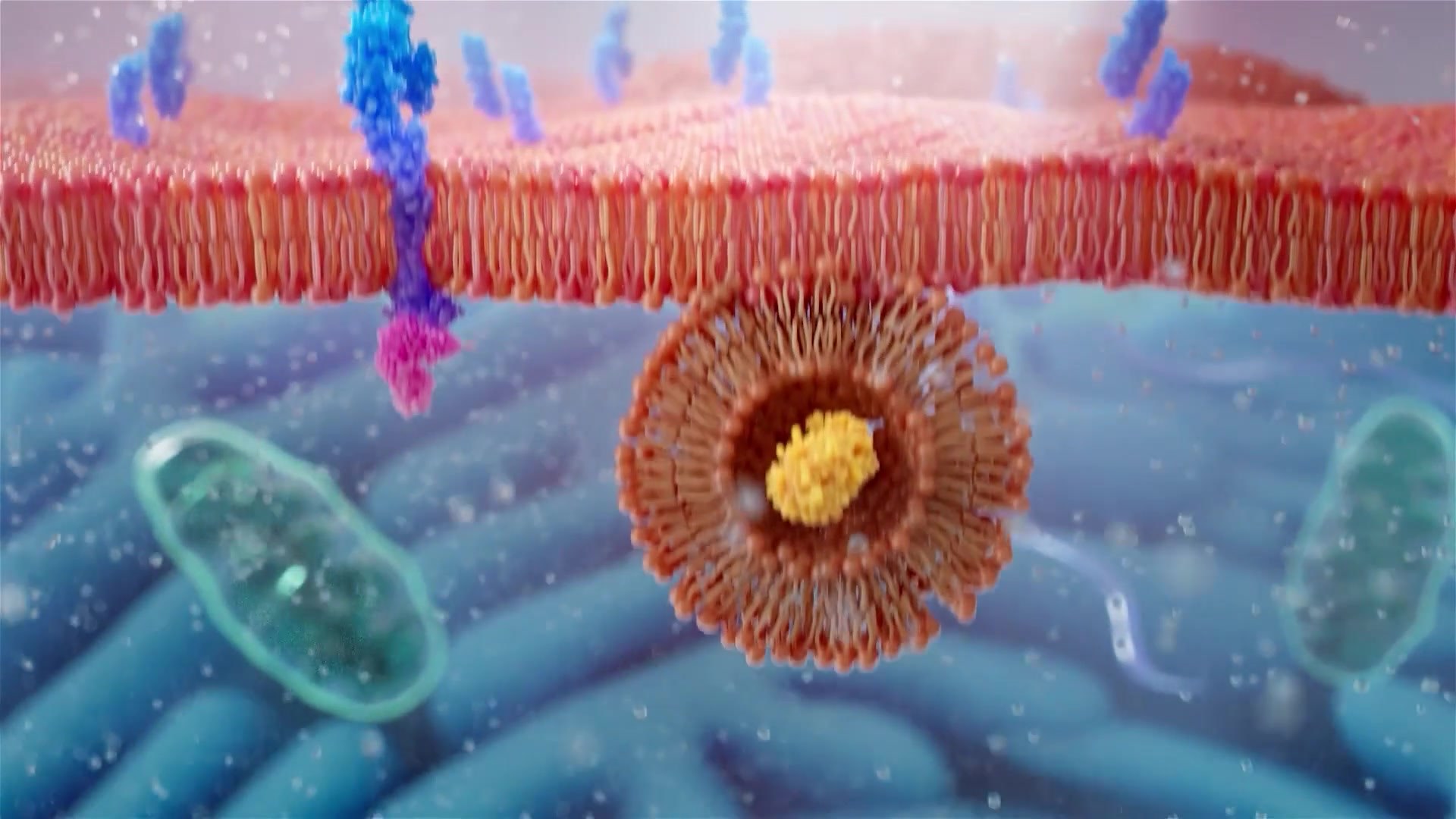 01Entry
The therapeutic elastase enters the cancer cell.
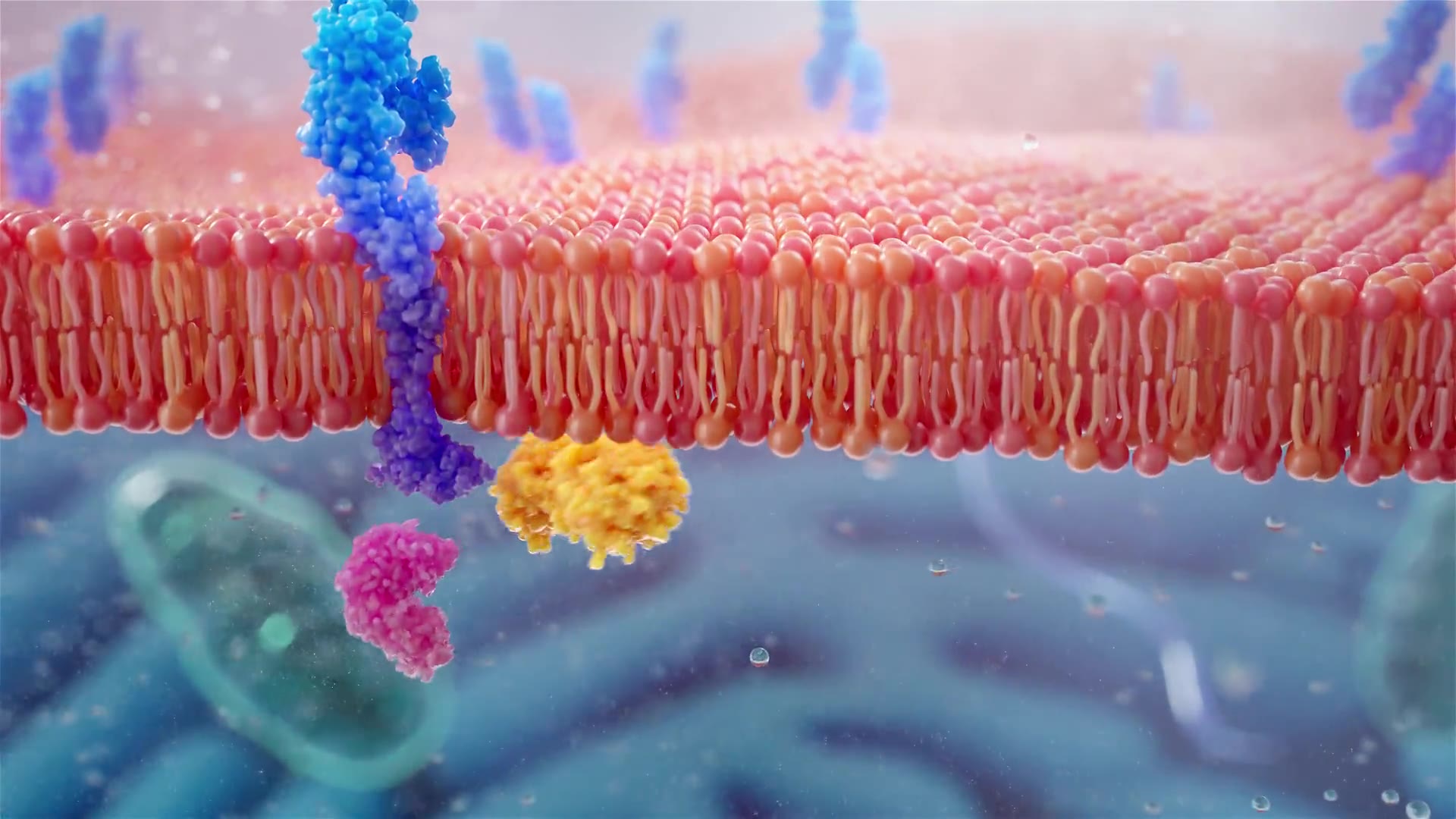 02Cleavage
It cleaves the CD95 (FAS) receptor, releasing the C-terminal death domain into the cytoplasm.
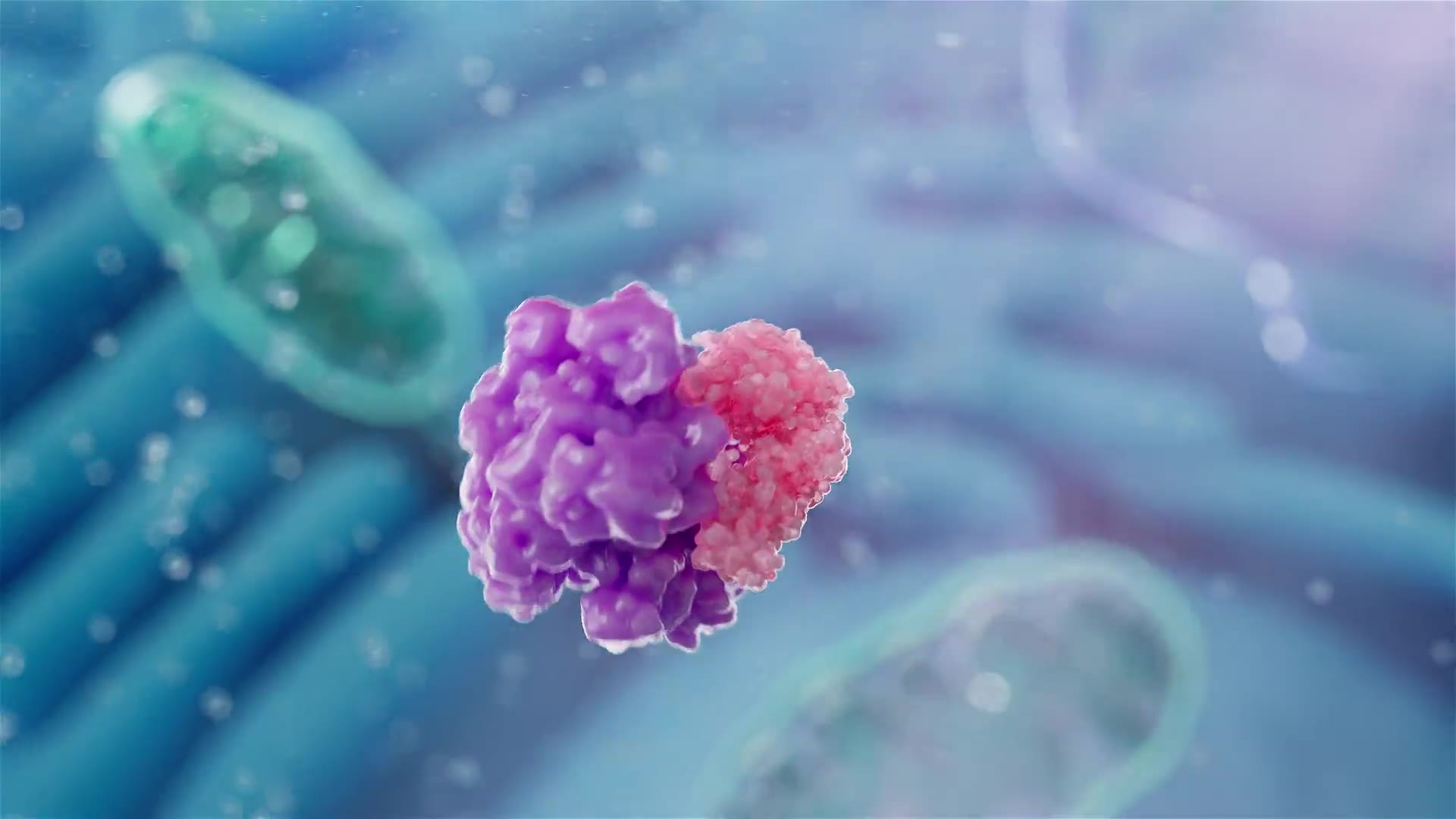 03Complex formation
The liberated death domain binds histone H1, which translocates from the nucleus.
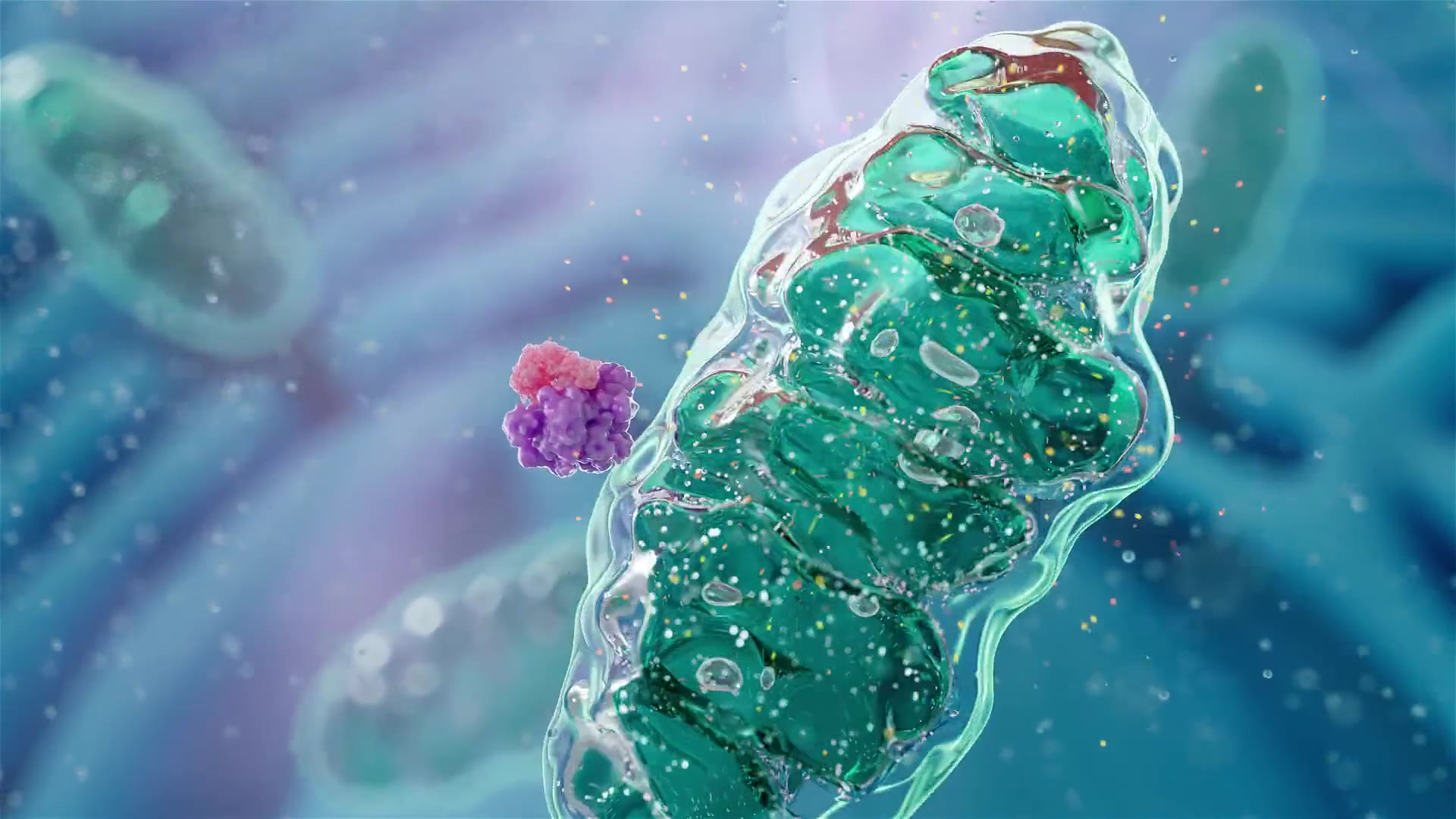 04Disruption
The complex disrupts mitochondrial and DNA integrity, committing the cell to death.
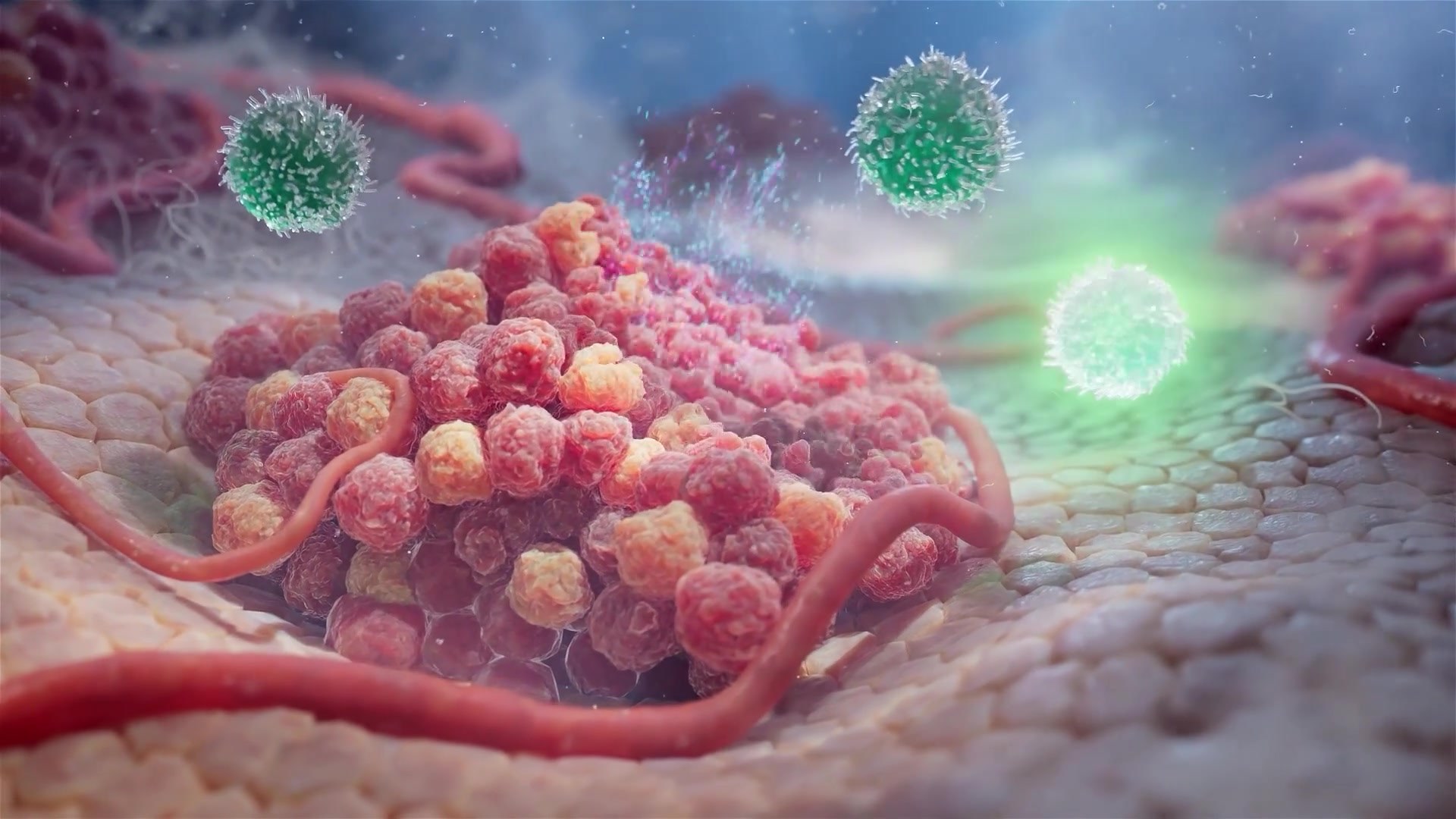 05Immunogenic cell death
The dying cell releases tumor antigens and immunostimulatory signals (DAMPs) that recruit the immune system.
Tumor Killing That Trains the Immune System
Conventional cytotoxics kill silently and take the immune system down with them. ELANE-mediated death is immunogenic. It kills the tumor in front of it and teaches the immune system to find the ones it cannot see.
One agent works through two mechanisms. It destroys tumor cells rapidly and selectively, and activates systemic immunity that can target distant disease.
Because immune cells survive the first wave, the antigens and danger signals released by dying cancer cells reach an intact immune system. Activated CD8+ T cells then recognize and attack tumors that were never treated directly.
- Trained by
- Tumor antigens plus immunostimulatory signals released during immunogenic cell death
- Effect
- Increased CD8+ T cell activity and reduction of untreated tumors in preclinical models
- Scope
- Observed in immunologically hot and cold tumors
- Durability
- Durable immune memory and improved activity of checkpoint inhibitors
Targeting the ELANE Pathway
Onchilles Pharma has used extensive translational research to develop first-in-class drug candidates that selectively kill cancer cells while preserving immune function. Through rigorous testing, Onchilles has validated the ELANE pathway as a powerful mechanism for cancer-selective cytotoxicity.
To ensure clinical relevance, the company prioritized patient-derived models and experiments designed to replicate the complexities of clinical treatment, leading to the creation of its proprietary drug candidates: N17350 (NEU-001), a tumor-directed therapeutic for localized delivery, and NEU-002, an intravenously administered agent for systemic treatment.
These next-generation therapeutics demonstrate
Broad cancer cell killing to overcome tumor heterogeneity and generate a diverse antigen repertoire, all while preserving immune cells
Immune activation and CD8+ T cell-mediated anti-tumor immunity, effective in both “cold” and “hot” tumors
No observed resistance and sustained potency following repeated dosing
No cross-resistance, retaining efficacy in chemo- and checkpoint inhibitor-resistant tumors
Publications and Presentations
Peer-reviewed papers and conference presentations on the ELANE pathway, N17350, and NEU-002.
- 2025ELANE pathway studyCell Reports MedicineCell Reports Medicine
- 2021Foundational publicationCellCell
- 2026OP-NEU-101 trial in progressESMO Congress 2026ESMO Congress 2026
- 2026OP-NEU-101 trial in progressASCO Annual Meeting 2026ASCO Annual Meeting 2026
- 2026NEU-002 preclinical dataAACR 2026AACR 2026
- 2025N17350 preclinical dataAACR 2025AACR 2025
- 2024NEU-002 preclinical dataSITC 2024SITC 2024
- 2024N17350 and N17465 preclinical dataAACR 2024AACR 2024
- 2023N17350 preclinical dataSITC 2023SITC 2023
- 2023N17350 preclinical dataAACR 2023AACR 2023